
How to Care for and Internationally Relocate Small Rodents (e.g., Chinchillas, Guinea Pigs, Hamsters)
A Detailed Guide to Keeping Pocket Pets Happy at Home—and Moving Them Across Borders Safely
Discover how to care for chinchillas, guinea pigs, and hamsters, and learn how to handle small rodent relocation and import/export USA travel regulations.
Introduction: Small in Size, Big in Responsibility
From the fluffy charm of chinchillas to the squeaky delight of guinea pigs and the quiet curiosity of hamsters, small rodents have earned their place in homes across the world. While they’re often considered “starter pets,” the reality is that these little companions have complex needs—and relocating them internationally presents unique logistical and legal challenges.
In this comprehensive guide, we’ll cover how to properly care for small rodent species and how to safely plan their international relocation, including rodent transport, small mammal import/export USA compliance, and preparing for global moves with tiny, sensitive creatures.
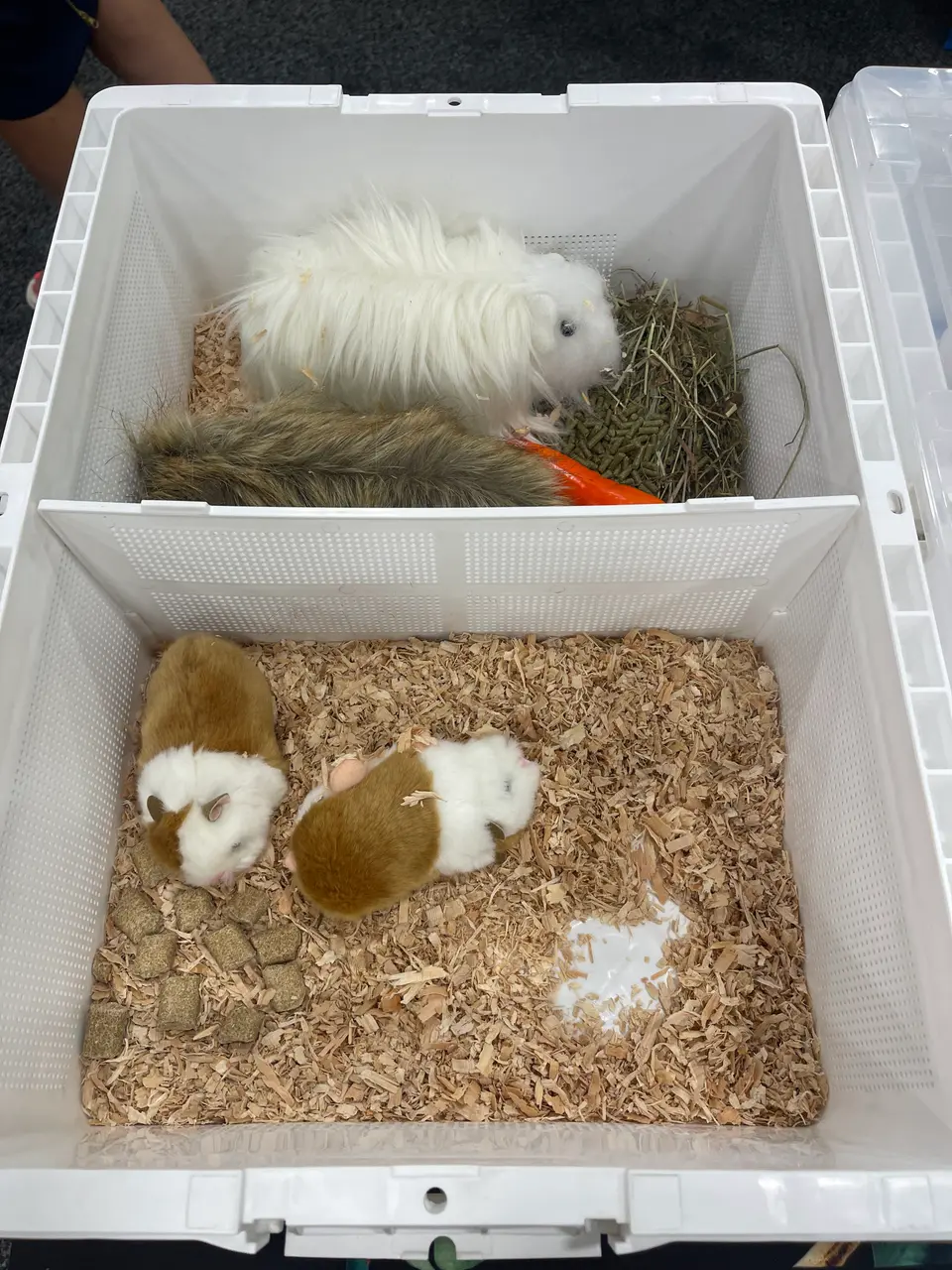
1. Commonly Kept Small Rodents
| Species | Lifespan | Key Traits |
|---|---|---|
| Chinchilla | 10–20 years | High-jumping, dust-bathing, heat-sensitive |
| Guinea Pig | 5–8 years | Vocal, social, grazers |
| Syrian Hamster | 2–3 years | Solitary, nocturnal, gentle |
| Dwarf Hamster | 1.5–2 years | Tiny, fast, may live in pairs (some species) |
| Gerbil | 3–4 years | Active, curious, strong diggers |
| Degus | 5–9 years | Social, diurnal, similar to chinchillas |
Knowing their biology is key to housing, feeding, and travel safety.
2. Housing Requirements
Each species has unique enclosure and environmental needs.
Chinchilla
- Cage: Multi-level, 3+ ft tall with solid floors
- Temperature: 60–70°F (16–21°C); prone to heatstroke
- Enrichment: Dust bath 3x/week, chew toys, wheels
Guinea Pig
- Cage: 7.5+ sq. ft for 1–2 pigs
- Bedding: Fleece or paper-based, never cedar
- Needs: Constant hay, vitamin C supplementation, companionship
Hamsters & Gerbils
- Cage: At least 450+ sq. in. floor space
- Bedding: Deep layer (5+ inches) for digging
- Needs: Exercise wheels, tunnels, chew sticks
3. Diet and Nutrition
| Species | Staple Foods | Avoid |
|---|---|---|
| Chinchilla | High-fiber hay, pellets | Sugary treats, moist food |
| Guinea Pig | Timothy hay, pellets, veggies (esp. high-vitamin C) | Iceberg lettuce, seeds |
| Hamsters | Commercial seed mix, fresh veggies | Citrus, onions, garlic |
| Gerbils | Grains, seeds, hay | Sticky or wet food |
Fresh water must be provided in a drip bottle and cleaned daily.
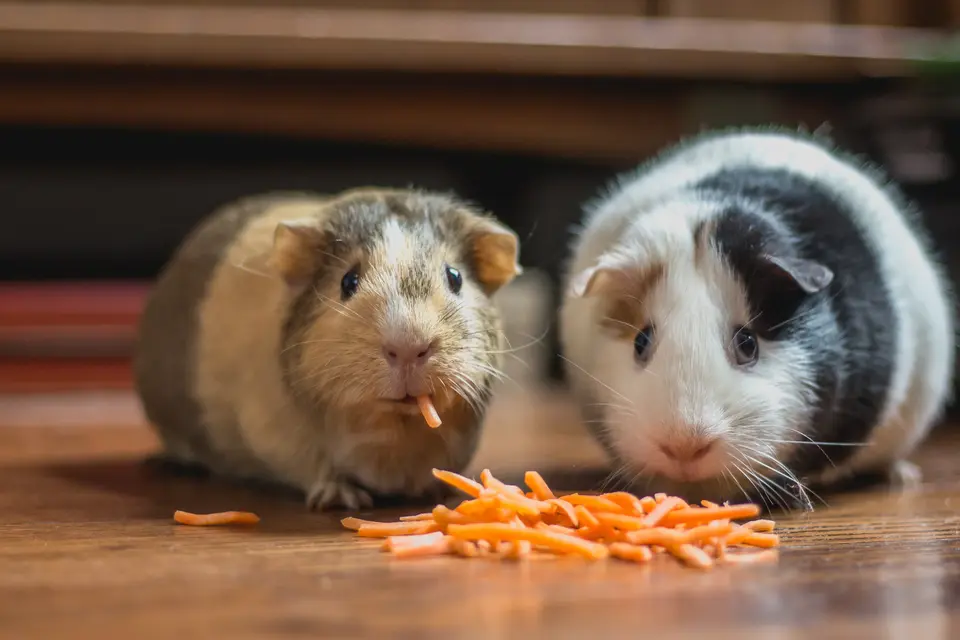
4. Health and Veterinary Needs
Small rodents hide illness well. Watch for:
- Weight loss
- Lethargy or hunched posture
- Wet tail (especially in hamsters)
- Overgrown teeth or nails
- Breathing issues
Find an exotics vet experienced with small mammals. Preventive care includes:
- Annual checkups
- Teeth and nail trimming
- Species-specific wellness care
5. Social and Behavioral Considerations
- Chinchillas, degus, and guinea pigs thrive in pairs or groups (same sex unless neutered)
- Hamsters and gerbils vary: Syrians must live alone; dwarf hamsters may live in pairs
- Provide daily interaction for social species
- Avoid handling newly relocated rodents for 2–3 days post-move to reduce stress
6. Legal Considerations and Quarantine
Many countries restrict rodent importation due to disease risk, invasive species classification, or livestock protection.
Check:
- CITES status (most small rodents are not listed, but double-check if wild-caught)
- Destination country’s regulations (e.g., Australia and New Zealand do not allow import of rodents)
- USDA APHIS and USFWS requirements for rodent export from USA
- Some require pre-approval permits, quarantine, or health certificates
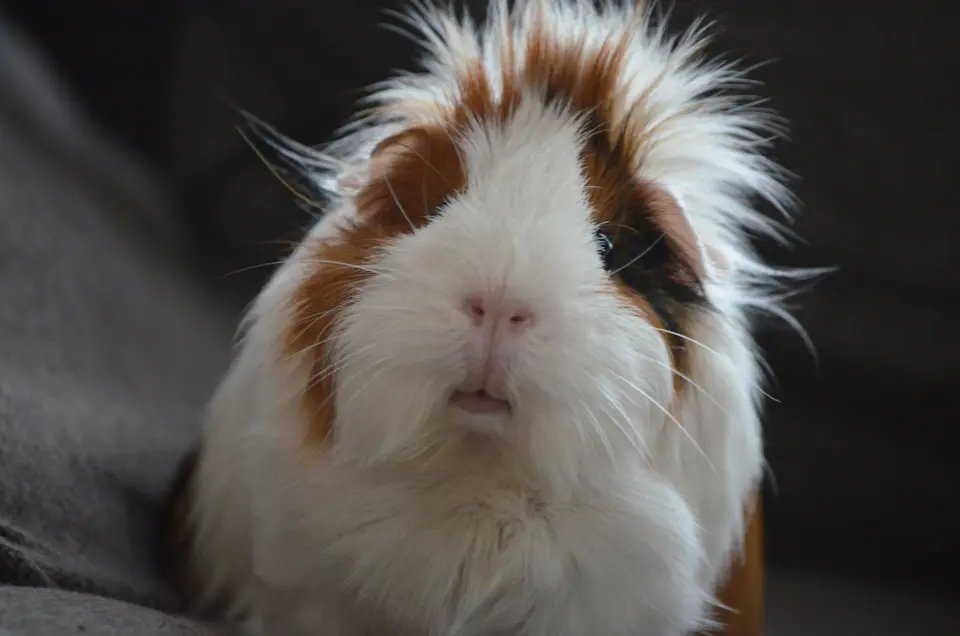
7. Travel Requirements and Crate Prep
Airlines and Rodents
- Most rodents must travel as manifest cargo
- Very few airlines allow in-cabin rodent transport
- Not all airlines accept rodents—check far in advance
IATA-Compliant Carrier:
- Solid-sided, chew-proof (hard plastic or metal)
- Ventilated on three sides
- Secured water bottle or fruit for hydration
- Deep bedding for burrowing
- Temperature: 65–75°F; avoid heat and extreme cold
Avoid:
- Overcrowding in group-housed species
- Loose bedding that can block air holes
- Poorly secured enclosures that risk escapes
8. Pre-Flight Timeline
| Timeframe | Actions |
|---|---|
| 3–6 months | Research destination laws, apply for permits |
| 2 months | Choose airline, secure crate, vet check |
| 1 month | USDA-endorsed health certificate (if required) |
| 1 week | Begin crate training (place bedding, offer treats) |
| Travel day | Secure ID, food, and permit copies to crate exterior |
9. Arrival and Recovery
- Allow 1–2 days to settle in a quiet, familiar enclosure
- Watch for signs of travel stress: diarrhea, hiding, refusal to eat
- Offer high-value treats and avoid handling at first
- Resume normal routines gradually over several days
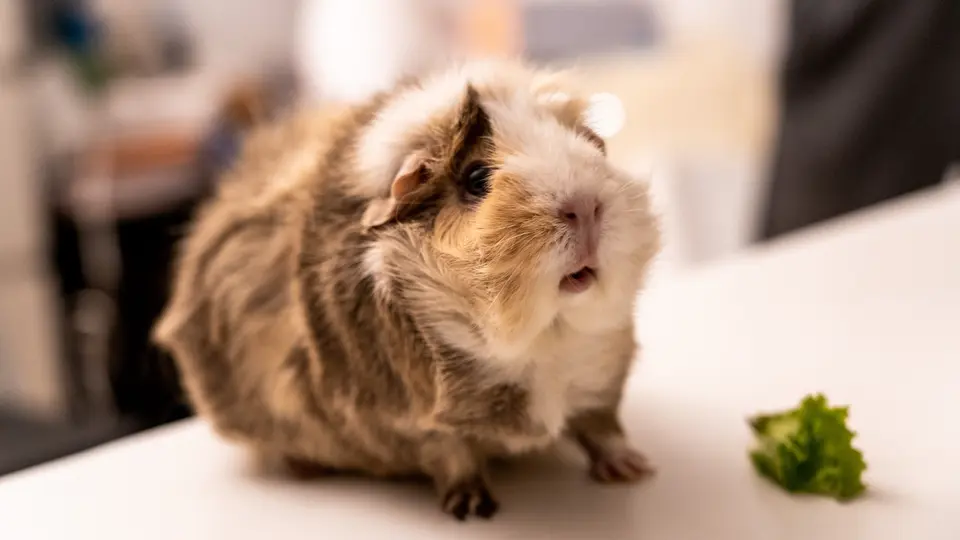
10. 0x Cargo Pet Travel: Specialists in Small Rodent Relocation
Rodents require gentle handling, precise crate design, and knowledge of both biological and legal details. At 0x Cargo Pet Travel, we provide:
- Custom crate solutions for chinchillas, guinea pigs, hamsters, and others
- Health certificate coordination with USDA-accredited vets
- Permit and import/export consultation
- Route planning to avoid heat exposure and layovers
- Real-time shipment monitoring
Whether you’re moving a pair of guinea pigs to Germany or a chinchilla to Canada, we make sure every detail is rodent-safe and regulation-ready.
Final Thoughts: They May Be Small—But They Matter
Your tiny companion might only weigh a few ounces—but their care, comfort, and safety are as important as any larger animal’s. With the right housing, vet care, and expert support, even the smallest pets can cross continents with confidence.
Keywords included:rodent relocation • small animal transport • chinchilla export USA • guinea pig import USA • international small mammal shipping • USDA rodent certificate
Moving soon? Let 0x Cargo Pet Travel help your small companion make a big move, safely and smoothly.